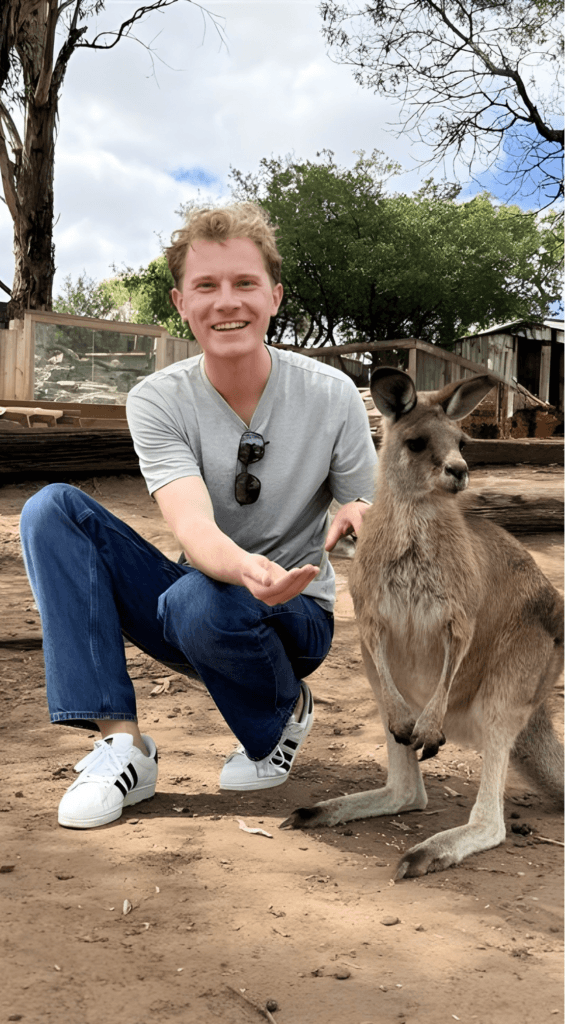
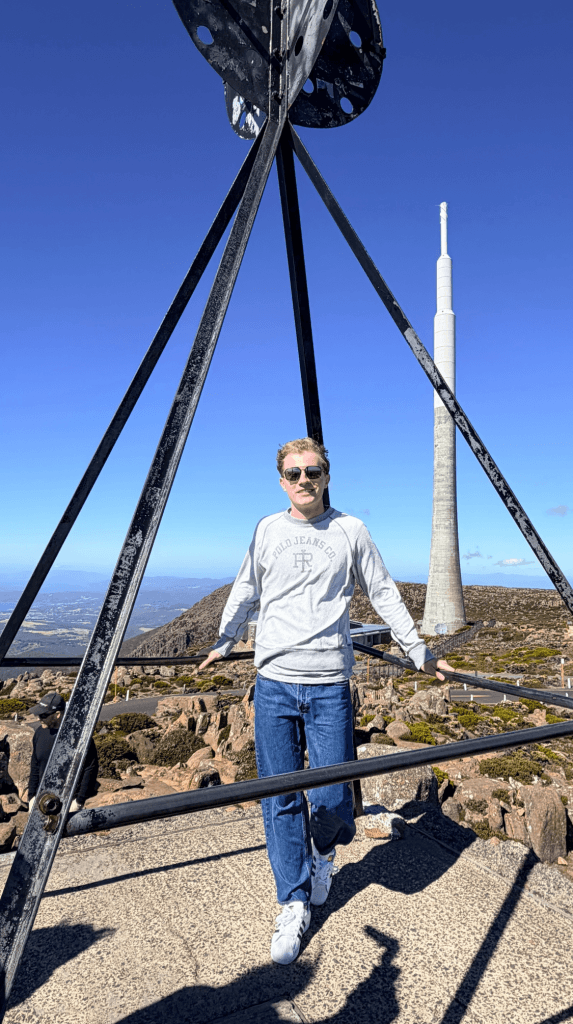
Milan Dobrovolný, a student at the Faculty of Business and Economics at MENDELU, has set off for a study stay in Tasmania, Australia. What’s it like studying at the University of Tasmania? How has the local approach to students surprised him, and what is he experiencing during his semester on the other side of the world? Read the interview about studying, work, and everyday life in Australia.
How did you find out about the opportunity to study in Tasmania?
Originally, I was planning to apply for Erasmus. At the same time, though, the deadline for study stays through bilateral agreements was also approaching. It works very similarly, except you choose universities outside the European Union. So I decided to apply for that as well.
I was mainly looking for English-speaking countries, ideally the United States, but none of the universities on offer really caught my interest. In the end, I chose Australia—and the only available option was a university in Tasmania.
Which university are you studying at?
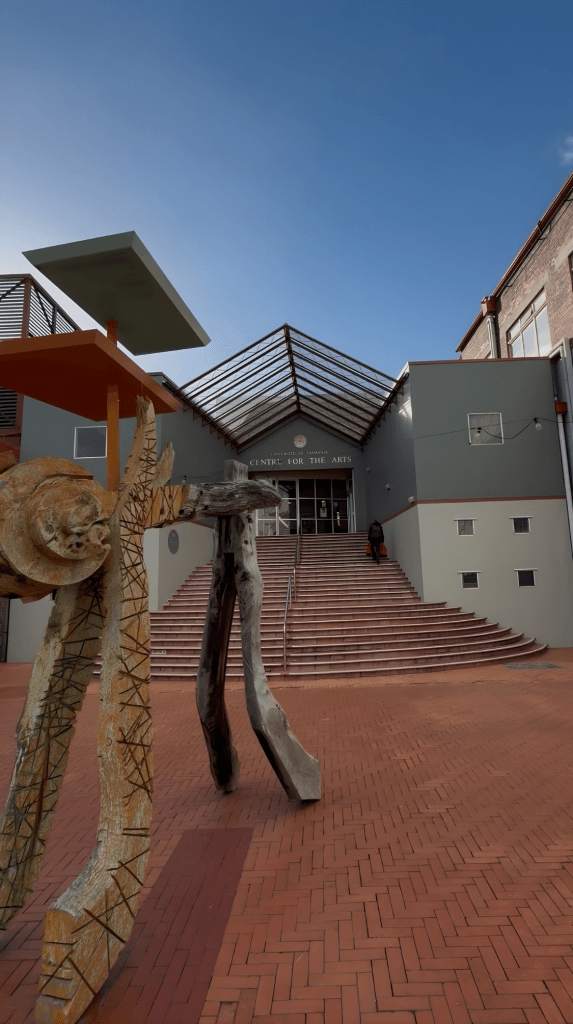
I’m studying at the University of Tasmania (UTAS). The university places a strong focus on marine biology and ocean research and is among the world’s leading institutions in Antarctic research.
Most of my courses, however, are at the School of Creative Arts, where the subjects build on my marketing studies back home at PEF.
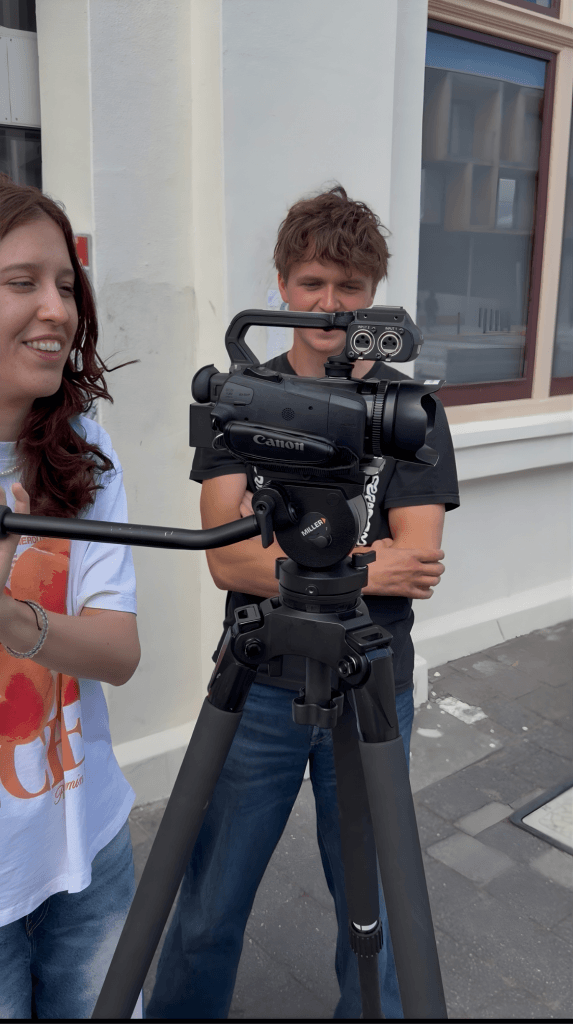
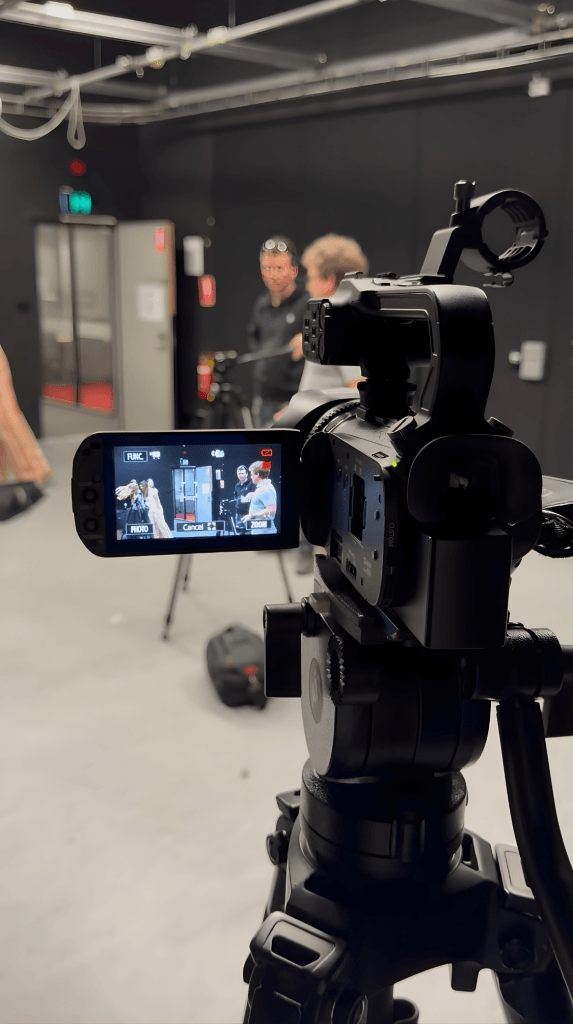
For example, I’m taking Storytelling for Screen and Sound, which focuses on film and podcast production. I also enrolled in Music and Politics, a course that explores how politicians use music and sound in their campaigns. Another one is Making Media: Filming, Editing and Design, where we learn to work with visuals, editing, and design—the final project is a short documentary about Tasmania that we’ll produce ourselves.
What is the teaching like?
Most of my classes are in person, although some lectures are also streamed. Thanks to that, students from other Australian cities—like Melbourne—can join as well. In addition to lectures, we have seminars and practical sessions, and sometimes lecturers share recordings of the classes. A part of the coursework is also done independently at home.
The university has its own learning platform, which goes a bit beyond a standard information system. Lecturers upload assignments, study materials, and reading lists there. Some tests and final exams are also conducted through the platform.
What has surprised you the most about the university so far?
What surprised me the most is how well they take care of students here. The university’s student organization runs a wide range of activities and helps us with all sorts of things.
For example, every Thursday we can pick up free fruit and vegetables. On top of that, for five or eight dollars, we can get groceries for our pantry—things like granola, nuts, or pasta sauce. It’s easily a shop that would normally cost around fifty dollars. It’s not charity, just one of the ways they make student life easier for us.
They also regularly organize trips and activities. For instance, I’m going to a surfing lesson next week. It costs just twenty Australian dollars—around 300 CZK—which is something I’d never normally find at that price here.
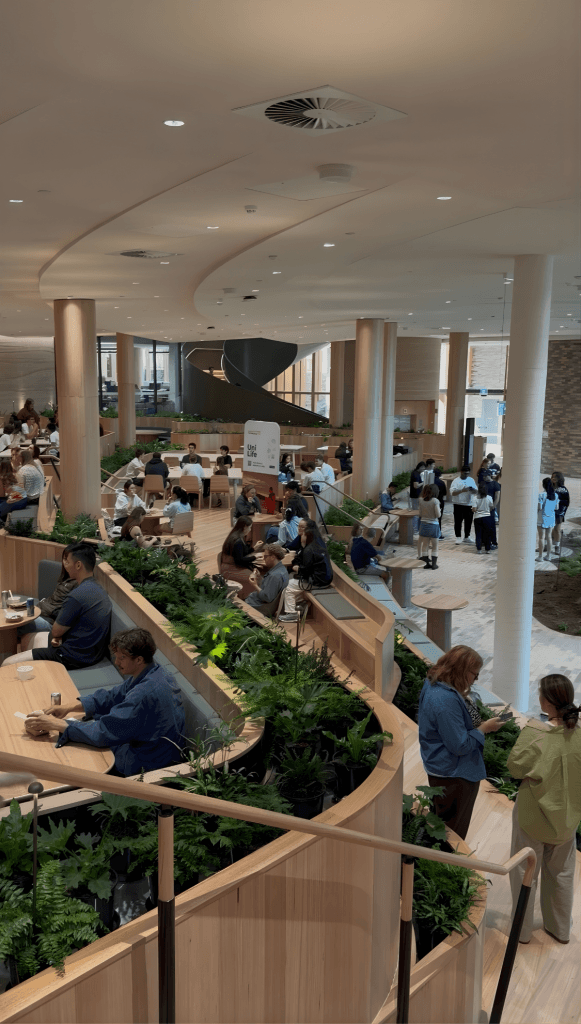
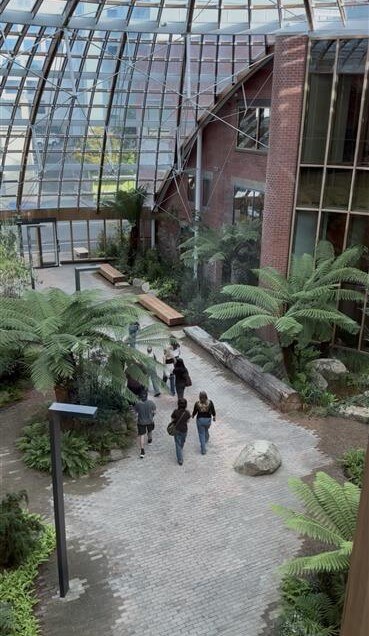
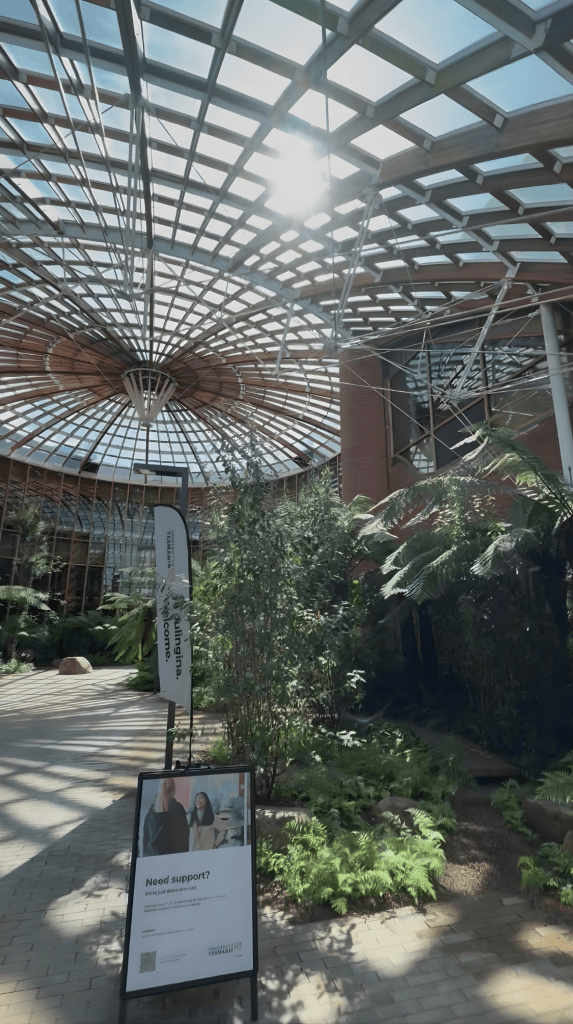
The campus itself is also very modern, well-equipped, and has some truly beautiful spaces. One of them is called The Forest—an interior made entirely of wood, with study areas and classrooms. I even have one of my classes there. It’s an absolutely stunning place, and honestly, I don’t think you come across anything like it very often anywhere in the world.
What are prices like in Australia?
Overall, I’d say prices aren’t higher than in Western Europe. Compared to the Czech Republic, some things are a bit more expensive, but the difference isn’t that dramatic. For example, chicken on sale costs around 120 CZK, which is pretty similar to back home.
The most expensive part is accommodation. On top of that, most rentals are arranged for longer periods. That’s why I applied for university housing—it’s the easiest and safest option for a short stay like mine.
How do you get around the city?
Most of the time, I walk. I easily do 20,000 steps a day. Hobart, where I live, isn’t a very big city—I’d compare it to Brno, maybe even a bit smaller. I live in Sandy Bay, a suburb of Hobart. The university is spread across different parts of the city, and for most places, I just walk.
But as students, we also have free buses between Hobart and Sandy Bay—just show your student ID card.
What are your plans for the rest of your stay?
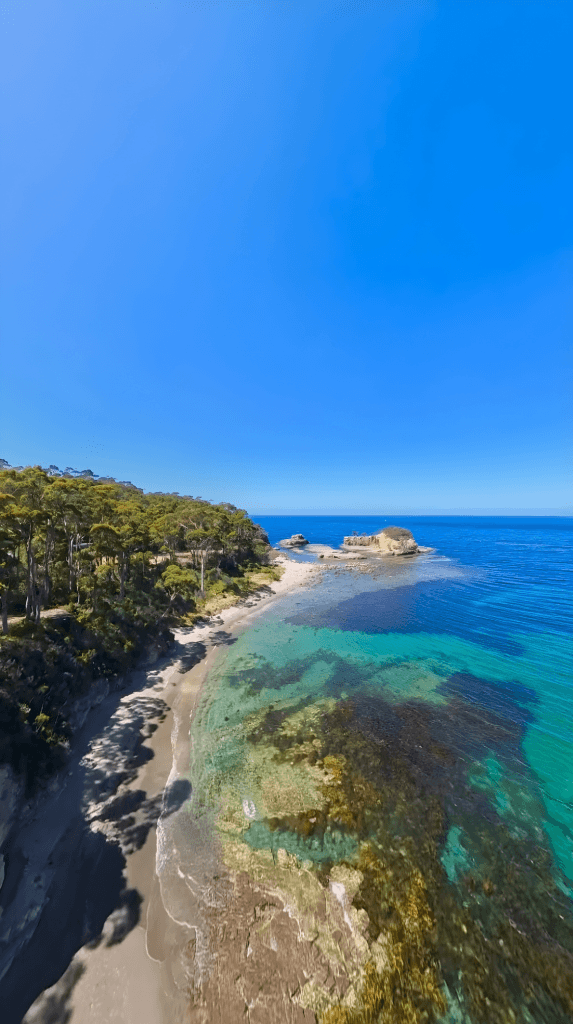
Honestly, one semester doesn’t feel very long. I’ve only been here for three weeks, but I already feel like time is flying. With less than three months to go, I mainly want to make the most of my stay and take advantage of every opportunity Tasmania has to offer.