Earth Day at Zoo Brno: Students from MENDELU’s Faculty of Business and Economics Showed That Nothing Goes to Waste in Nature
5. 5. 2026
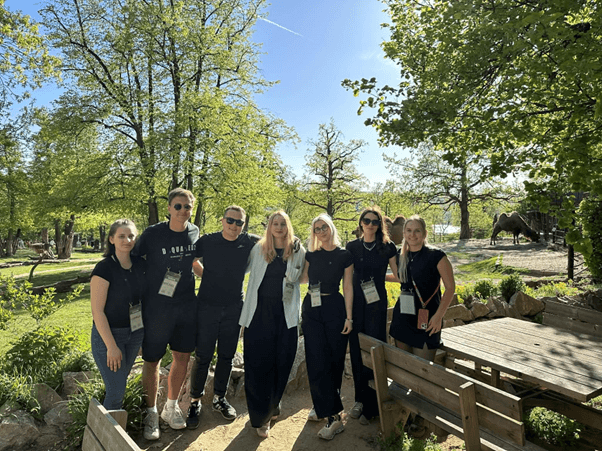
What role does animal dung play in nature, and why is it key to the functioning of entire ecosystems? This question was answered by an unconventional event that brought Zoo Brno to life on April 25, 2026. Students from the Faculty of Business and Economics at Mendel University organized the project “Earth Day Expedition – Become a Researcher at Zoo Brno!” as part of their Sustainable Consumption Marketing course.
Sustainability Made Playful and Easy to Understand
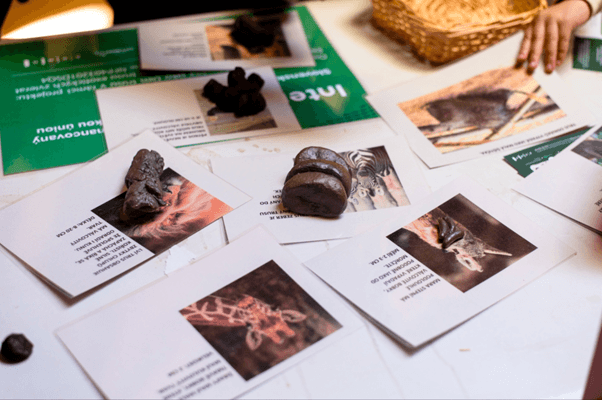
The theme focused on the circular economy in nature, specifically the importance of animal dung as a source of nutrients. The students presented this unusual topic in a fun and interactive way that was accessible to both children and adults.
The event highlighted a simple principle: in nature, there is no such thing as waste—only resources. Even something as seemingly ordinary as dung is a vital part of the cycle of nutrients, energy, and life.
When Visitors Become Part of the Story
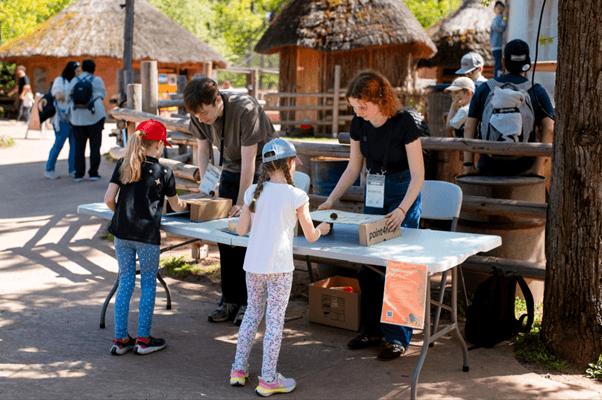
The main idea was to transform visitors—especially children—into members of a research expedition. Each “researcher” received a map and set off along a themed trail with four stations: Nordic Cabin, Africa, Camel Yurt, and the Gelada Exhibit.
At each stop, participants completed tasksthat combined play with learning. For each completed activity, they received a stamp, and after finishing the entire expedition, they were rewarded with a small prize.
“When designing the activities, we looked for a balance between fun and education. We wanted visitors to take something away from the experience while still being engaged and entertained. The biggest challenge was translating more complex sustainability concepts into a simple and playful format that children could understand.” Lucie Muzikářová, Gelada Exhibit
Across Continents: Four Stops of One Expedition
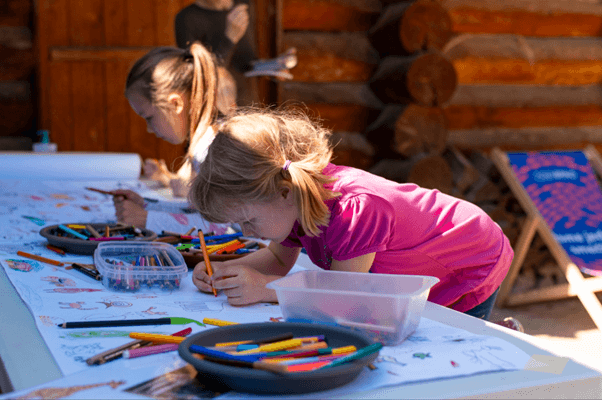
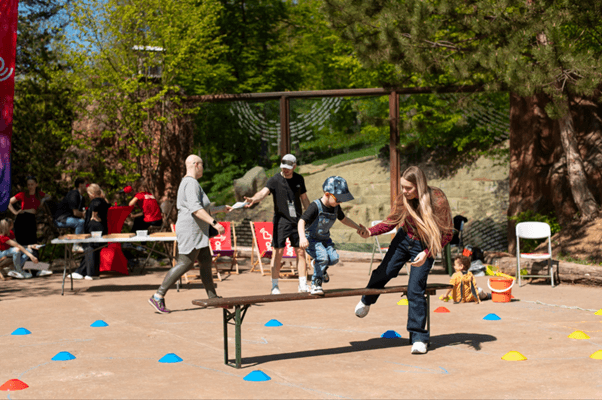
Nordic Cabin The first station combined creative and physical activities. Participants contributed to a large nature-inspired artwork, tried an “animal biathlon,” and planted seeds into substrate.
Africa This part of the trail transported visitors to the African landscape. Children and adults made binoculars from toilet paper rolls, learned how to sort waste properly, and navigated a magnet through a maze.
Camel Yurt At the third stop, participants explored life in the desert. They created cardboard camels, brought them to life using strings and beads, and tried a movement activity simulating a challenging journey to an oasis. The educational part explained how camels manage water and why their dung is a valuable energy source in desert environments.
Gelada Exhibit The final station introduced the social behavior of primates. Participants recognized emotions through facial expressions and sounds and discovered how important communication is for group functioning. The activity “Grazing with Geladas” also emphasized the importance of a clean environment.
Hands-On Experience That Matters
The project allowed students to experience working on a real event—from initial concept to execution.
“We prepared the entire event as part of a practical project, so we went through everything from the initial idea to the actual Earth Day execution. We designed activities, planned how they would run, and then organized them on-site. At the same time, we had to manage real operations—coordinate the program, communicate with visitors, and handle situations that can’t be fully planned. It was great to see that people enjoyed it and actively participated. This is something you simply can’t learn from textbooks.” Adam Sodomka, Camel Yurt
Thousands of Visitors and Strong Feedback
The event attracted significant public interest. More than 3,850 people visited Zoo Brno and actively engaged in the program. Positive feedback confirmed that combining education, entertainment, and sustainability makes sense—and can resonate with visitors across generations.
We work with cookies. Why? We analyse traffic and events on the website so that we can continually improve it. We also need cookies to provide social media features and to customise the content of ads. With consent, we may also pass some personal information to marketing platforms for marketing purposes.
About Cookies
Cookies are small text files in which websites can store information about your activity on the website and user preferences. They are used, for example, to make the browser remember your login, the consent settings in the cookie bar and, with your consent, various marketing and analytical information.
Necessary
These cookies ensure the basic technical functionality of the website, are necessary for the proper functioning of this website and are always active.
Analytical
We use third-party tools to track traffic. According to Google Analytics settings, personal data may also be sent.
Preferential
They store your personal settings, such as the language in which information is displayed, or allow you to offer content tailored to your needs.
Marketing
We are using third-part marketing cookies and your personal data to show you content customized to what you have viewed on our website. The content can be viewed elsewhere on the Internet. You can disagree with using of our marketing cookies but it will not reduce the extent of advertising offers you see, you will only see more of uninteresting and irrelevant ad to you.